

– Expert Advice from Star Computer Services
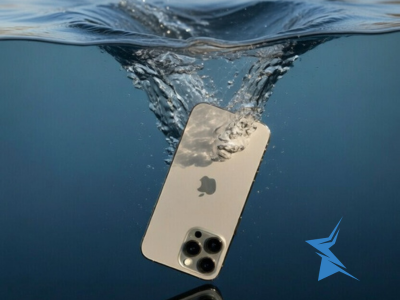
Hey there, tech friends! We’ve all been there — one clumsy moment and your lifeline (aka your smartphone) is splashing around in the sink, pool, or that mystery puddle. Not to fear! The good news is quick thinking really can make all the difference.
Modern phones are tougher than ever, but even the best water-resistant models aren’t invincible. Follow these battle-tested steps, and you’ll dramatically boost your chances of saving your phone — and all those irreplaceable photos, contacts, and apps inside it. Let’s dive in (pun intended)!
The Do’s: Act Fast and Smart
1. Pull it out immediately
Every extra second underwater increases the risk of corrosion. Grab it and get moving — no hesitation!
2. Power it down right away
Hold the power button (and volume down on most models) and shut it off completely. Even if the screen is still lit and it seems fine, electricity + water = potential short circuits. Turning it off stops that deadly dance.
3. Gently wipe the exterior
Use a soft, lint-free cloth or paper towel to pat (never rub!) away visible water. Tilt the phone so ports face downward to let gravity help drain any trapped liquid.
4. Remove the case, SIM tray, and anything else you can
Pop off the case and gently eject the SIM tray. This exposes more surfaces to air and prevents moisture from getting trapped against the body.
5. Let it dry naturally in a safe spot
Place it in a dry, room-temperature area with good airflow. Toss in some silica gel packets (those little “do not eat” sachets from shoe boxes or electronics packaging) if you have them — they’re way better than old myths. Leave it alone for at least 24–48 hours (72 is even better).
6. Rinse with fresh water first if it was salt, soda, or pool water
Apple and Samsung actually recommend a quick rinse under cool tap water before drying. Counter-intuitive? Yes — but it washes away corrosive minerals and sugars that do far more damage than plain H₂O.
The Don’ts: These Mistakes Can Kill Your Phone for Good
- Never turn it on or plug it in — Even to “check” if it’s working. Charging while wet can fry the motherboard instantly.
- Skip the rice — We’ve seen too many phones ruined by tiny rice particles clogging ports and leaving sticky residue. Silica gel or plain air drying wins every time.
- No hairdryers, ovens, or heat — Heat can melt delicate seals and spread moisture deeper into the internals.
- Don’t shake or blow into it — Compressed air or your breath can push water further inside or introduce new moisture.
- Avoid charging cables or accessories until it’s completely dry and the alerts are gone.
Pro Tips from the Star Computer Services Team
- Time is your friend… and your enemy. The faster you start the drying process, the higher your success rate.
- Wireless charging is your secret weapon. Many newer phones let you top up without touching the port while they dry. Genius safety net!
- After it powers back on, back up everything immediately. Corrosion can creep in days or weeks later, so get those photos and files to the cloud or an external drive ASAP.
- Test everything gradually. Start with calls, then apps, camera, and charging. Any weird behavior? Bring it in — early professional cleaning can stop permanent damage.
How Today’s Phones Fight Back: Built-In Rescue Features You’ll Love
The good news? Phone makers have been listening! Flagship devices from Apple, Samsung, Google, and others now come packed with smart protections that actively help you save your phone:
- Apple’s Liquid Detected Alerts (iPhone XS and newer)
Your iPhone senses moisture in the USB-C or Lightning port and instantly blocks charging with a clear on-screen warning. It even plays a helpful sound on recent iOS versions and suggests drying steps. This gives you time to follow the exact process above without risking further damage. - Samsung & Android Moisture Sensors
Samsung Galaxy phones (and many other Android flagships) use tiny sensors in the USB-C port to detect moisture and refuse wired charging until it’s safe. You can still use wireless charging, and Samsung’s official guides walk you through gentle drying and tapping techniques. Plus, their IP68 rating means many models can survive brief swims without immediate failure. - IP68 Water Resistance Across Major Brands
Apple iPhones, Samsung Galaxy S series, Google Pixels, and more now carry IP68 ratings — meaning they can handle up to 1.5 meters of fresh water for 30 minutes in lab tests. While we still recommend treating them like they’re water-resistant (not waterproof), these seals buy you critical minutes to act.
These features aren’t magic shields, but they’re game-changers — they stop you from making things worse and guide you toward proper recovery.
Prevention Is Always Better Than Rescue
Next time, consider a waterproof case, keep your phone away from the edge of the sink, and enable automatic cloud backups. Small habits = big peace of mind.
Dropped your phone in water? Don’t panic — you’ve got this! Follow these steps. If, however, the phone does not turn on after 48 hours, or if it is showing issues, you may need to visit an Apple Store or service center for repair.
Star Computer Services – Your IT Partner for Innovative Solutions
